
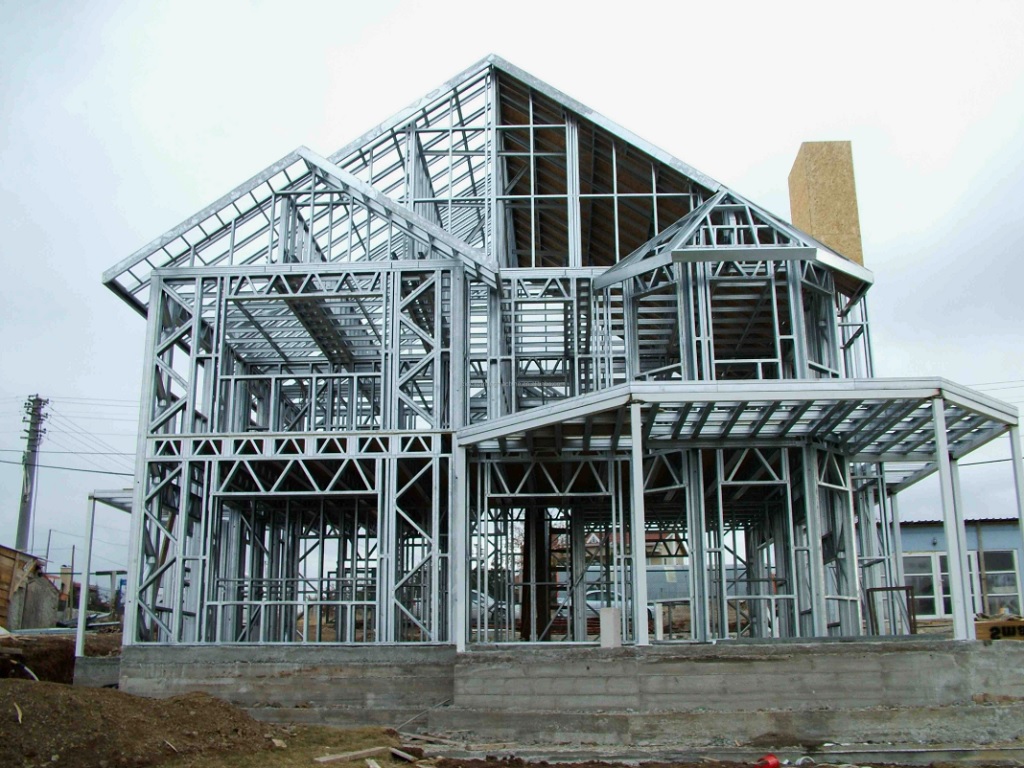
The modern home is known to evolve. Techniques and materials we use in constructing our houses never stay static for too long. Have you ever thought about what holds up your house? Or considered the materials your house stumps are made of? Perhaps, it has never crossed your mind, or perhaps it's a concept you're familiar with, but haven't delved deep into. Welcome, then, to our exploration of steel house stumps, a critical but often overlooked component of a home’s foundation.
Indeed, the choice of house stumps comes with numerous considerations, such as the longevity, durability, practicality, cost and impact on the overall visual aesthetic of a home. This intricate part of the building process demonstrates how the passion and complexities of home construction intersect. Taking the time to explore such elements can arm home-owners and aspiring builders with the essential knowledge to make informed decisions.
In this blog post, we're cutting through the jargon and technicalities, to bring you a digestible and comprehensive guide to understanding all aspects of steel house stumps. This includes their benefits, drawbacks, and other essential factors worthy of consideration before making a decision. So, buckle up as we navigate this complex terrain together!
What Are Steel House Stumps?
As implied by the name, steel house stumps are foundational structures made from steel that support the weight of a house from beneath. They are often used in structures raised off the ground, such as Queenslander-style homes. Made from strong, durable metal, these pillars offer a stark contrast to the traditional timber stumps in terms of material, yet each has its unique attributes and drawbacks.
Though steel is gaining popularity, some builders and homeowners still prefer timber. This distinction is largely due to factors such as the environment, custom and preference, availability of materials, budget, and long-term planning. These aspects play crucial roles in the decision-making process when it comes to choosing the ideal stumps for a home.
Offering a modern twist on an age-old concept, steel house stumps bring a myriad of potential benefits but equally present a unique set of challenges. Making the correct decision requires a careful evaluation of these factors to align with individual needs and constraints.
Why Choose Steel Stumps: The Benefits
Steel house stumps bring numerous advantages to the table. Firstly, they promise longevity. Unlike wooden beams, steel is not susceptible to rot or pests, delivering long-lasting performance with minimal maintenance.
Secondly, steel boasts stronger support. With its excellent tensile strength, steel can handle greater loads than many other materials. This is particularly beneficial in homes with additional structures such as balconies or verandas.
Finally, let's not overlook the aesthetic value! Steel brings a sleek, modern appeal to the table. If you're after a minimalistic industrial look, then steel house stumps could be your go-to choice.
The Potential Pitfalls: Drawbacks Of Steel Stumps
As perfect as they may sound, steel stumps aren't without flaws. Cost-wise, they can be significantly pricier than traditional timber stumps. This might deter homeowners on a tighter budget.
Moreover, steel stumps can sometimes hinder renovations because they're less adaptable by nature. Where timber can be relatively easily modified, changes to steel structures often require more extensive, costly adjustments.
Lastly, steel's resilience to nature’s elements isn't infinite. While it's true that steel is robust, over time, it can be prone to rusting if not adequately treated or maintained.
When Should You Opt For Steel Stumps?
The decision to go for steel stumps often comes down to personal preferences and individual needs. If you’re constructing a home in an area prone to termite infestation or dampness, you might lean towards steel for its pest and fungal resistance.
For owners who favor a modern aesthetic, steel stumps can often complement the overall look of the house beautifully. Additionally, if long-term durability and less maintenance are your top priorities, steel stumps can prove to be an excellent choice.
Steel vs. Timber: The Ultimate Showdown
Ultimately, when it comes to picking between steel and timber house stumps, the answer isn't always straightforward. Steel stumps boast excellent features, but they carry drawbacks that can't be overlooked. While they offer increased longevity, superior load-bearing capacity, and a sleek modern appeal, they also command a higher price tag, lesser adaptability for modifications, and a susceptibility to rust.
Conversely, timber stumps, while cheaper and offering easier modification possibilities, could end up costing more in the long run due to increased maintenance requirements and potential susceptibility to pests and decay.
Conclusion: Decision Time
In the end, the choice between steel and timber house stumps comes down to a delicate balance of factors. Each material offers its unique advantages and confronts its own set of challenges. So, while steel house stumps promise longevity, modern aesthetics, and strength, they also come with a hefty price tag, limited modifiability and potential for rusting.
Thus, understanding the exact needs of your home, your aesthetic preferences, location-specific factors, and budgetary constraints is key to making an informed decision. In any case, comprehensive knowledge about these fundamental building components can help you navigate the complex landscape of home construction and renovations with increased confidence and clarity. Through this guide, we hope to have shed some light on steel house stumps for you. Happy Home-Building!


