

Ever wondered why your pool water looks a bit murky despite running the pump all day? Or maybe you've noticed your filter seems to be working overtime, but the results just aren't there? If you're nodding along, you're definitely not alone.
Your above ground pool filters are essentially the hardworking kidney of your swimming setup. It quietly removes debris, dirt, and all those microscopic nasties that would otherwise turn your crystal-clear oasis into something resembling a pond. Yet it's often the most overlooked piece of equipment in the backyard.
In this guide, we'll walk you through everything you need to know about keeping your pool filters for above ground pools in tip-top shape. From understanding the different filter types to mastering the cleaning process, we've got you covered. You'll learn how to maintain a pool filter for long-term performance, troubleshoot common problems, and discover when it might be time to call in an above ground pool service. Whether you're a new pool owner or a seasoned backyard entertainer, these practical tips will help you spend less time on maintenance and more time enjoying a refreshing swim.
Understanding Pool Filters for Above Ground Pools
The Three Main Types of Above Ground Pool Filters
When it comes to pool filters for above ground pools, you've got three main options: cartridge, sand, and diatomaceous earth (DE) filters. Each has its own personality, so to speak.
Cartridge filters are the most popular choice for Australian above ground pool owners. They're easy to maintain, energy-efficient, and do a brilliant job catching particles down to about 10-15 microns. Sand filters, on the other hand, are the low-maintenance champions. They use specially graded sand to trap debris and can last for years with minimal fuss. DE filters offer the finest filtration of all, capturing particles as small as 3-5 microns, though they require a bit more hands-on care.
How Does Your Pool Filter Actually Work?
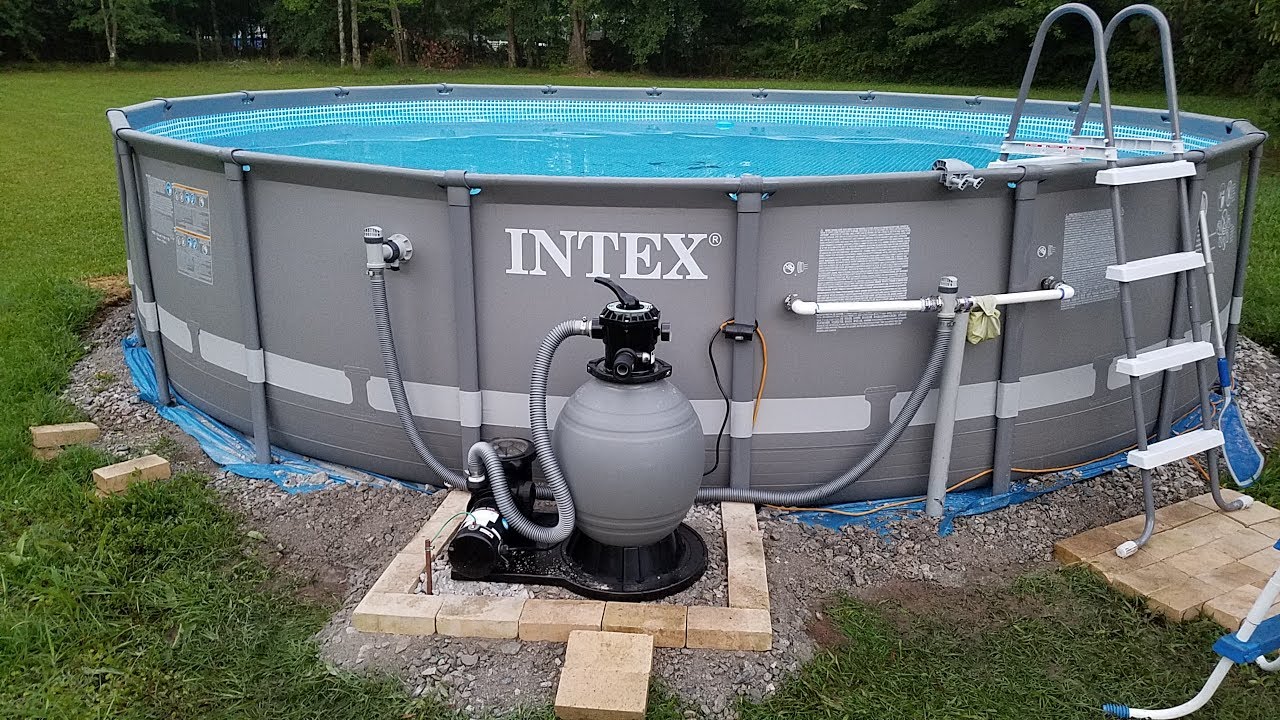
Here's the basic rundown: water gets pulled from your pool through the skimmer, travels through pipes to your pump, then gets pushed through your filter. The filter media—whether that's a cartridge, sand, or DE powder—traps contaminants while clean water flows back into your pool.
Think of it like a coffee filter for your pool water. The longer debris builds up, the harder your system works. This is why regular above ground pool cleaning is absolutely essential.
Signs Your Filter Needs Immediate Attention
Keep an eye out for these red flags: weak water flow returning to the pool, cloudy water that won't clear up, unusual pressure gauge readings, or visible damage to filter components. If you spot any of these, it's time for some attention.
How Do You Clean a Pool Filter? A Step-By-Step Guide
Cleaning a Cartridge Filter
So, how do you clean a pool filter if you've got a cartridge system? First, turn off your pump and release any pressure. Remove the cartridge and give it a good rinse with a garden hose, working from top to bottom. For deeper cleans, soak it overnight in a filter cleaning solution. Rinse thoroughly before reinstalling.
Pro tip: always have a spare cartridge on hand. This way, you can swap them out and never miss a swim.
Backwashing a Sand Filter
Sand filters need backwashing when the pressure gauge reads about 8-10 psi above the clean starting pressure. Simply turn off the pump, switch the valve to "backwash," and run the pump until the sight glass shows clear water. Then rinse briefly before returning to the "filter" setting.
Maintaining a DE Filter
DE filters require a slightly more involved process. After backwashing, you'll need to add fresh DE powder through the skimmer. The amount depends on your filter size, so check your manual for specifics.
How Often Should You Clean Your Pool Filter?
For cartridge filters, a thorough clean every 4-6 weeks during swimming season works well. Sand filters typically need backwashing every few weeks, while DE filters require attention when pressure rises. During peak summer use, you might need to clean more frequently.
How to Maintain a Pool Filter for Long-Term Performance
Creating a Weekly Maintenance Routine
Consistency is your best friend when figuring out how to maintain a pool. Set aside ten minutes each week to check your filter pressure, inspect visible components, and empty your skimmer basket. This simple routine catches small issues before they become expensive problems.
Consider keeping a maintenance log—just a simple notebook works fine. Record pressure readings, cleaning dates, and any observations. This helps you spot patterns and stay ahead of potential issues.
Seasonal Filter Care Tips for Australian Pool Owners
Australian summers can be brutal on pool equipment. During the hotter months, increase your pump running time and clean your filter more frequently. Before winter, give your filter a deep clean and consider reducing pump hours if you're not swimming as often.
Common Mistakes That Shorten Filter Lifespan
Overcleaning cartridge filters can actually damage the fabric. Running your pump without proper water levels strains the entire system. Plus, ignoring manufacturer guidelines for cleaning products can void warranties and cause deterioration.
Above Ground Pool Water Treatment and Your Filter
How Water Chemistry Affects Filter Efficiency
Your above ground pool water treatment approach directly impacts filter performance. Unbalanced water creates calcium buildup, algae growth, and scaling—all of which clog your filter faster than you'd like.
Balancing Chemicals to Reduce Filter Strain
Keep your pH between 7.2 and 7.6 and maintain proper chlorine levels. Test your water at least twice weekly during summer. Well-balanced water means your filter doesn't have to work overtime dealing with chemical imbalances.
Above Ground Pool Treatment: Products That Help and Hinder
Quality above ground pool treatment products include clarifiers that help your filter catch fine particles and enzyme treatments that break down oils and organics. However, avoid overusing algaecides or shock treatments, as these can temporarily increase filter workload. Always follow dosage instructions carefully.
Pool Maintenance How To: Troubleshooting Common Filter Problems
Why Is My Filter Pressure Too High or Too Low?
High pressure usually means a dirty filter or blocked return lines. Low pressure often indicates a clogged skimmer basket, air leak, or pump problem. Your pressure gauge is your best diagnostic tool, so get familiar with your system's normal operating range.
Understanding pool maintenance how to troubleshoot saves you money and stress. Most issues have simple fixes once you know what to look for.
What Causes a Filter to Stop Working Properly?
Common culprits include worn-out filter media, damaged O-rings and seals, pump issues, and electrical problems. Sometimes the fix is as simple as replacing a rubber gasket. Other times, you might need professional help.
When Should You Replace Your Filter Media?
Cartridge filters typically last 1-2 years with proper care. Sand needs replacing every 5-7 years. DE grids can last 7-10 years but require regular inspection. If you're cleaning constantly but still seeing poor performance, it's probably time for new media.
Above Ground Pool Cleaning: Beyond the Filter
Skimming, Brushing and Vacuuming Basics
Your filter can only do so much. Regular above ground pool cleaning should include daily skimming of surface debris, weekly brushing of walls and floor, and vacuuming as needed. This removes debris before it reaches your filter, reducing its workload considerably.
How Regular Cleaning Reduces Filter Workload
Think of it this way: every leaf or bug you skim off the surface is one less thing your filter needs to process. A cleaner pool means longer intervals between filter cleans and extended equipment life. It's a win-win situation.
DIY Maintenance vs Professional Above Ground Pool Service
What Can You Handle Yourself?
Most routine maintenance falls within DIY territory. Weekly water testing, skimming, chemical balancing, and basic filter cleaning are all manageable tasks. With a little knowledge and the right tools, you can handle the majority of pool care yourself.
When to Call an Above Ground Pool Cleaning Service
Consider professional help for major equipment repairs, persistent water quality issues, or if you're going on holiday and need someone to keep things running. An above ground pool cleaning service can also provide deep cleans and equipment inspections that go beyond regular maintenance.
What to Expect from an Above Ground Pool Maintenance Service
A quality above ground pool maintenance service typically includes water testing, chemical balancing, filter cleaning, equipment checks, and general cleaning. Many offer regular schedules—weekly, fortnightly, or monthly—tailored to your needs and budget.
Keep Your Filter Happy, Keep Your Pool Sparkling
Taking proper care of your above ground pool filters isn't rocket science, but it does require attention and consistency. The effort you put into regular maintenance pays off in crystal-clear water, lower running costs, and equipment that lasts for years.
Remember the basics: understand your filter type, establish a regular cleaning routine, keep your water chemistry balanced, and don't neglect the broader aspects of pool care. These simple practices make all the difference between a pool that's a pleasure and one that's a constant headache.
Whether you tackle maintenance yourself or enlist the help of professionals, the key is staying proactive rather than reactive. Your filter works hard for you all summer long—give it the attention it deserves, and it'll reward you with endless hours of sparkling, refreshing swims. Now, grab that skimmer and get to it!


