

Have you ever watched children's faces light up when they discover a brilliant playground? What makes some play spaces irresistible while others sit empty? And how do schools, councils, and childcare centres create outdoor environments that spark joy, encourage physical activity, and keep little ones safe?
Commercial playground design in Australia has evolved dramatically over the years. It's no longer just about swings and slides plonked on a patch of grass. Today's play spaces combine thoughtful engineering, creative vision, and strict safety standards to deliver experiences that inspire children of all abilities. Whether you're a school principal planning an upgrade or a council member exploring options for your community, understanding what goes into quality playground design is essential.
In this guide, we'll explore everything you need to know about commercial playground design in Australia. You'll discover what sets professional equipment apart, learn about safety compliance requirements, and get practical advice on budgeting and choosing the right supplier. Plus, we'll look at how inclusive and nature-based design elements create spaces where every child can thrive. Let's get started!
What Is Commercial Playground Design?
Defining Commercial vs Residential Playground Equipment
Commercial playground equipment differs significantly from what you'd find in someone's backyard. While residential sets suit occasional use by a handful of children, commercial equipment handles thousands of interactions daily. It's built tougher, lasts longer, and meets rigorous safety standards.
Think about the wear and tear a busy school playground endures. Commercial equipment uses heavy-duty materials like powder-coated steel, high-density polyethylene, and commercial-grade timber. These materials withstand harsh Australian conditions—from scorching summer heat to coastal salt spray.
Key Elements of Professional Playground Design
Professional playground design considers far more than equipment selection. It examines traffic flow, sight lines for supervision, age-appropriate zones, and accessibility requirements. Designers analyse how children naturally move through spaces and create layouts that encourage exploration while minimising collision risks.
Good design also considers the surrounding environment. Trees provide natural shade, landscaping creates visual interest, and thoughtful positioning maximises usable space. Every element works together to create cohesive, engaging play experiences.
Why Invest in Quality Commercial Playground Equipment in Australia?
Benefits for Schools, Councils, and Childcare Centres
Quality playground equipment delivers benefits that extend well beyond playtime. Schools report improved student engagement and better behaviour when children have access to stimulating outdoor spaces. Physical activity boosts concentration, and imaginative play develops social skills.
For councils, well-designed playgrounds become community hubs. They attract families, encourage outdoor activity, and create gathering spots that strengthen neighbourhood connections. Childcare centres gain competitive advantages when they offer exceptional play facilities.
Long-Term Cost Savings and Durability
While premium equipment requires larger upfront investment, it proves more economical over time. Cheap equipment needs frequent repairs, replacement parts become unavailable, and inadequate materials deteriorate quickly under Australian conditions.
Quality commercial equipment typically comes with comprehensive warranties—often 10 to 15 years for structural components. This durability means lower maintenance costs, fewer closures for repairs, and better value per year of use.
Australian Safety Standards for Commercial Playgrounds
Understanding AS 4685 Compliance Requirements
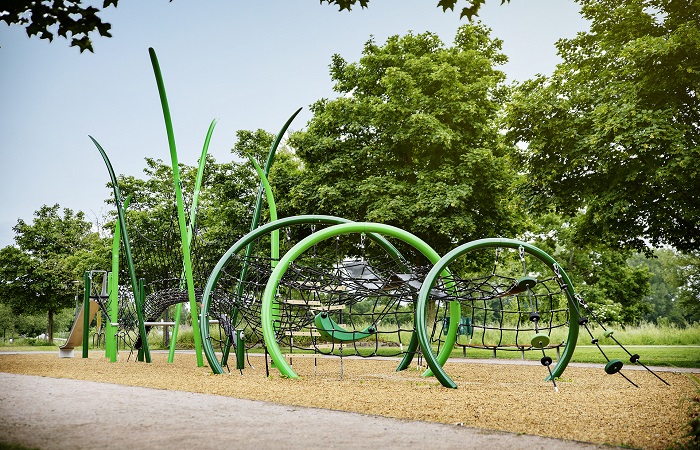
Australian Standard AS 4685 governs commercial playground equipment and installation. This comprehensive standard covers design, manufacturing, installation, and ongoing maintenance requirements. Compliance isn't optional—it's essential for protecting children and limiting liability.
The standard addresses entrapment hazards, fall heights, structural integrity, and age-appropriate design. Equipment must undergo testing and certification before installation. Reputable suppliers provide compliance documentation and certification for every piece they install.
What Safety Standards Do Australian Playgrounds Need to Meet?
Beyond AS 4685, playgrounds must comply with AS 4422 for accessibility requirements. This standard makes sure children with disabilities can access and enjoy play spaces alongside their peers. Local council regulations may impose additional requirements depending on your location.
Regular inspections form part of ongoing compliance. Playgrounds need routine checks for wear, damage, and emerging hazards. Many suppliers offer maintenance programmes that keep equipment compliant throughout its lifespan.
Impact Absorbing Surfaces and Fall Zone Regulations
Softfall surfacing prevents serious injuries when children inevitably tumble. Australian standards specify minimum depths for different materials based on equipment height. Rubber softfall, synthetic turf, bark mulch, and sand all meet requirements when properly installed.
Fall zones extend beyond equipment footprints. Standards specify clearance areas where no obstacles should exist. These zones vary based on equipment type and height—swings require larger clearances than climbing frames, for example.
How Much Does a Commercial Playground Cost in Australia?
Factors That Influence Playground Pricing
Playground costs vary enormously based on scope, equipment selection, site conditions, and location. Basic installations for small childcare centres might start around $30,000, while comprehensive school or council projects can exceed $500,000.
Key cost factors include:
- Equipment complexity and customisation
- Softfall surfacing type and area
- Site preparation requirements
- Shade structures and landscaping
- Accessibility features
- Installation logistics and site access
Budget Planning for Schools and Local Councils
Effective budget planning starts with clear objectives. What ages will use the space? How many children simultaneously? What play experiences matter most? Answering these questions helps prioritise spending where it delivers greatest impact.
Getting multiple quotes allows meaningful comparison, but ensure you're comparing like with like. The cheapest quote often omits essential elements or uses inferior materials that cost more long-term.
Funding Options and Grants for Playground Projects
Various funding sources exist for playground projects. State governments offer grants for schools and community facilities. Federal programmes support inclusive play initiatives. Local councils sometimes co-fund projects on community land.
Private foundations and corporate sponsors occasionally support playground projects, particularly those with inclusive or innovative design elements. Your playground supplier may help identify relevant funding opportunities and assist with applications.
Designing Creative and Inclusive Play Spaces
What Makes a Playground Inclusive for All Abilities?
Inclusive playgrounds welcome children of all abilities. This goes beyond wheelchair ramps—though accessible pathways remain essential. Truly inclusive design offers multiple ways to experience each play element, ensuring children with different capabilities can participate meaningfully.
Sensory panels engage children with vision impairments. Ground-level activities suit those who can't climb. Quiet zones provide retreat spaces for children who become overwhelmed. Inclusive design benefits everyone, not just those with identified needs.
Nature-Based and Sensory Play Design Elements
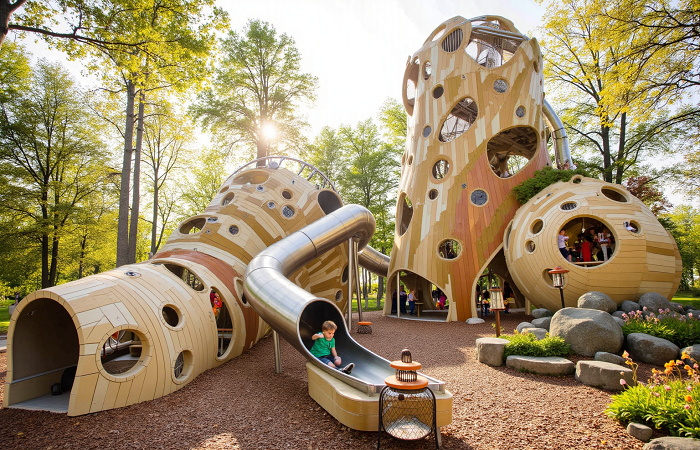
Nature play has gained tremendous popularity across Australia. Natural materials like logs, boulders, and water features create open-ended play opportunities. Children interact with natural elements differently than manufactured equipment, developing creativity and environmental connection.
Sensory gardens incorporate plants with interesting textures, colours, and scents. Sand and water play areas encourage tactile exploration. These elements complement traditional equipment, creating richer play experiences.
Encouraging Imaginative Play Through Thoughtful Design
The best playgrounds spark imagination. Themed elements—a ship's bow, a treehouse, a castle tower—provide starting points for creative play. But avoiding over-specification leaves room for children's imaginations to flourish.
Loose parts like moveable stepping stones or building blocks encourage inventive play. These elements let children reshape their environment, developing problem-solving skills and collaborative play.
How to Choose the Right Commercial Playground Supplier in Australia
What to Look for in a Playground Design Company
Experience matters enormously in playground design. Look for suppliers with extensive portfolios demonstrating variety and quality. Check whether they've completed projects similar to yours—a company specialising in council parks might not suit a childcare centre project.
Verify their compliance credentials. Do they provide certification documentation? Will they handle council approvals? Do they offer comprehensive warranties? Established suppliers welcome these questions.
Questions to Ask Before Signing a Contract
Before committing, clarify:
- What's included in the quoted price?
- Who handles permits and approvals?
- What warranties apply to equipment and installation?
- What maintenance is required, and do they offer service contracts?
- What's the expected timeline from design to completion?
Request references from recent clients. Speaking with other schools or councils provides invaluable insight into working relationships and after-sales support.
The Commercial Playground Design Process: What to Expect
Site Assessment and Consultation
The process begins with thorough site assessment. Designers examine terrain, drainage, existing vegetation, sun exposure, and access points. They'll discuss your objectives, budget, and any specific requirements.
Good suppliers invest time understanding your needs before proposing solutions. Be wary of anyone pushing equipment before thoroughly assessing your situation.
Custom Design vs Pre-Designed Equipment Options
Custom designs deliver unique play spaces tailored precisely to your requirements. Pre-designed equipment offers faster delivery and often lower costs while still meeting high standards.
Many projects combine both approaches—custom layouts using pre-designed components. This balances uniqueness with practicality and budget considerations.
Installation and Maintenance Considerations
Professional installation typically takes one to four weeks depending on project scale. Suppliers should minimise disruption and leave sites clean and ready for use.
Establish maintenance routines from day one. Regular inspections, prompt repairs, and periodic deep cleaning extend equipment life and maintain safety compliance.
Popular Commercial Playground Features for Australian Climates
Sun-Safe and Weather-Resistant Materials
Australian conditions demand appropriate material selection. UV-stabilised plastics resist fading and brittleness. Powder-coated metals withstand corrosion. Shade structures—either permanent or integrated—protect children from harmful sun exposure.
Consider how equipment heats in summer. Metal slides facing north become unusable during hot months. Thoughtful positioning and material selection prevent these issues.
Age-Appropriate Zones and Equipment Selection
Effective playgrounds separate zones for different age groups. Toddlers need low platforms, gentle slopes, and enclosed spaces. Older children seek challenge—climbing walls, challenging traverses, and spinning equipment.
Clear separation prevents collisions between age groups while allowing natural supervision. Signage helps parents and carers direct children to appropriate areas.
Creating Play Spaces That Inspire Australian Children
Commercial playground design in Australia combines creativity, safety engineering, and practical considerations to deliver spaces where children thrive. We've explored everything from compliance requirements to inclusive design principles, from budget planning to supplier selection.
The most successful playgrounds balance multiple objectives. They meet rigorous safety standards while encouraging adventurous play. They accommodate diverse abilities without feeling clinical. They withstand harsh conditions while remaining visually appealing. Achieving this balance requires experienced designers who understand Australian conditions and community needs.
Whether you're planning a modest upgrade or a comprehensive new installation, investing in quality playground design pays dividends for years to come. Children deserve play spaces that challenge, inspire, and delight them. With thoughtful planning and the right partners, you can create exactly that. Ready to start your playground project? Reach out to established suppliers, gather ideas, and begin creating something wonderful for your community's children.


